A neighborhood built by factories that is quietly writing second acts for them: solar panels where the Harvester works stood, a bike trail named for a world champion, and long blocks of brick and frame houses on some of the most generous lots in the city.
West Pullman grew in the shadow of its more famous neighbor, but it was never a company town: it was the workers’ own neighborhood, built house by house for the people of the Pullman shops, International Harvester’s West Pullman Works, Sherwin-Williams and the rest of the industrial crescent along the Calumet. The factory era’s architecture survives in the handsome brick industrial district along 119th and 120th, and its scale explains the neighborhood’s best housing surprise, lots wide enough for real yards, gardens and garages.
The old Harvester site at 120th and Peoria found one of the more remarkable afterlives in industrial America: it became one of the largest urban solar installations in the country, tens of thousands of panels generating power where tractors were once built. Across the neighborhood runs the Major Taylor Trail, the rails-to-trails path named for Marshall “Major” Taylor, the Black world champion cyclist who spent his final years in Chicago; a restored natural area and public art installation unveiled along it in 2026 gave the trail a proper front porch, and it now links Dan Ryan Woods to the Whistler Woods forest preserve across the river.
West Pullman Park’s 30-plus acres and its fieldhouse carry the leagues and programs, the Metra Electric’s Blue Island branch stops at Racine and Ashland, the main line runs at Kensington, and the Red Line extension under construction brings the city’s rapid transit to 130th at the neighborhood’s eastern edge, the biggest transit investment the Far South Side has ever received. Halsted and 119th carry the errands, and the historic Pullman national park’s visitor center is five minutes east.
Frame cottages and brick bungalows from the factory decades, sturdy post-war brick, and the occasional foursquare on a double lot, much of it at true first-foothold prices with rehabbed comps nearby. The generous lots make this one of the Far South Side’s best canvases for buyers who want ground. Bring our older-homes guide to showings, and read the joint Roseland guide for Michigan Avenue’s historic mile next door.
What homes sell for in West Pullman by type (houses, condos, 2-flats, 3-flats, 4-flats and buildings of 5 units and up), how many are for sale now, rents by bedrooms, cap rates, renting against buying, what is being built, property taxes, the public schools and the CTA. Updated every week.
Loading this week’s numbers…
West Pullman is community area 53 of Chicago’s 77, on the Far Southeast Side, and one of the areas whose official name is the everyday one too: no neighborhood inside it goes by another name.
The community areas have been the city’s official map since the 1920s; the neighborhood names inside them are the ones people use. All 77 on one interactive map.
Written by our team, free, no sign-in.
Seven Chicago real estate agents at The Boulevard Group, Fulton Grace Realty, for buying, selling, renting and investing in West Pullman. Each profile has their reviews and how to reach them.
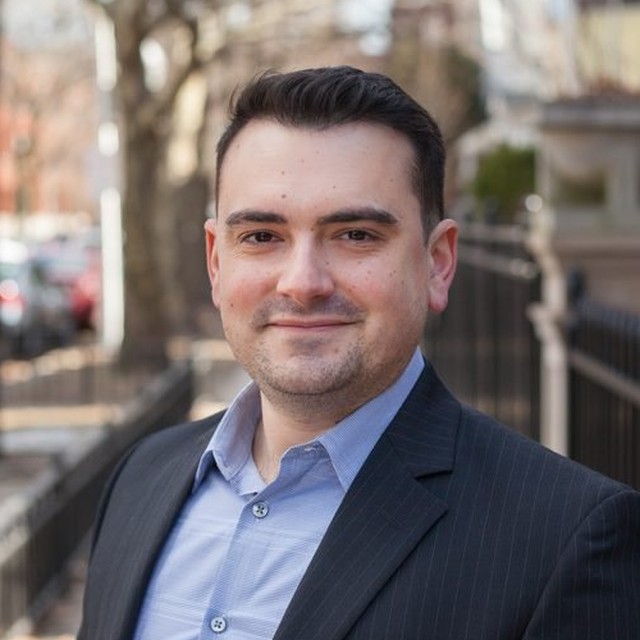 Chris WeichselbaumTeam lead. Buyers, sellers, investment properties
 Amber BrewerBuyers, sellers, leasing
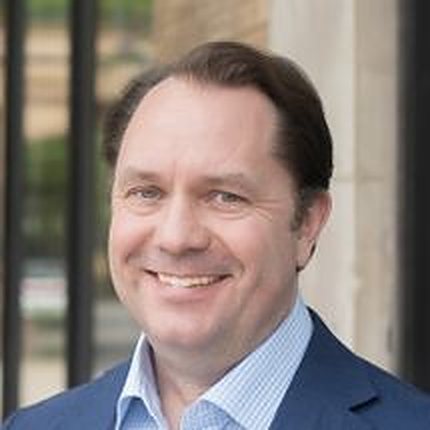 Reed CapshawBuyers, neighborhood expertise
 Brent FallowsMulti-family investments, buyers, sellers, leasing
 Bethany GrossBuyers, sellers, renters, leasing
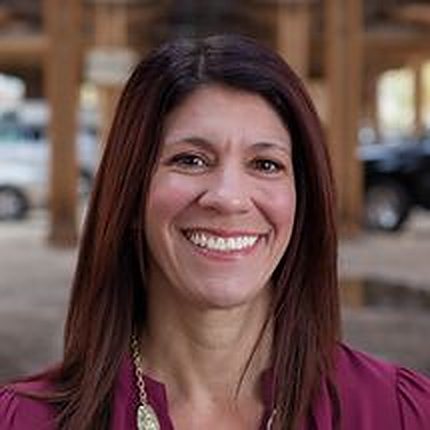 Erinn HutkinRentals, buyers, relocations
 Evan KaplanBuyers, sellers, relocation, rentals
We can tell you which blocks sit near the trail, what the Red Line extension is likely to mean, and what rehabbed comps really closed at. Tell us what you are after.
Talk with our team