 All guides & resources →
All guides & resources →
All guides & resources →
A city named for a wild onion still has plenty of wild in it: coyotes commuting through the Loop, otters back in the river, a federally endangered shorebird raising chicks on a public beach, and a once-in-two-centuries insect event that just happened here. The natives, the surprises, and the answer to the lizard question.
The lakefront is one of the great urban birding stages in the country, and a few residents have become civic celebrities.
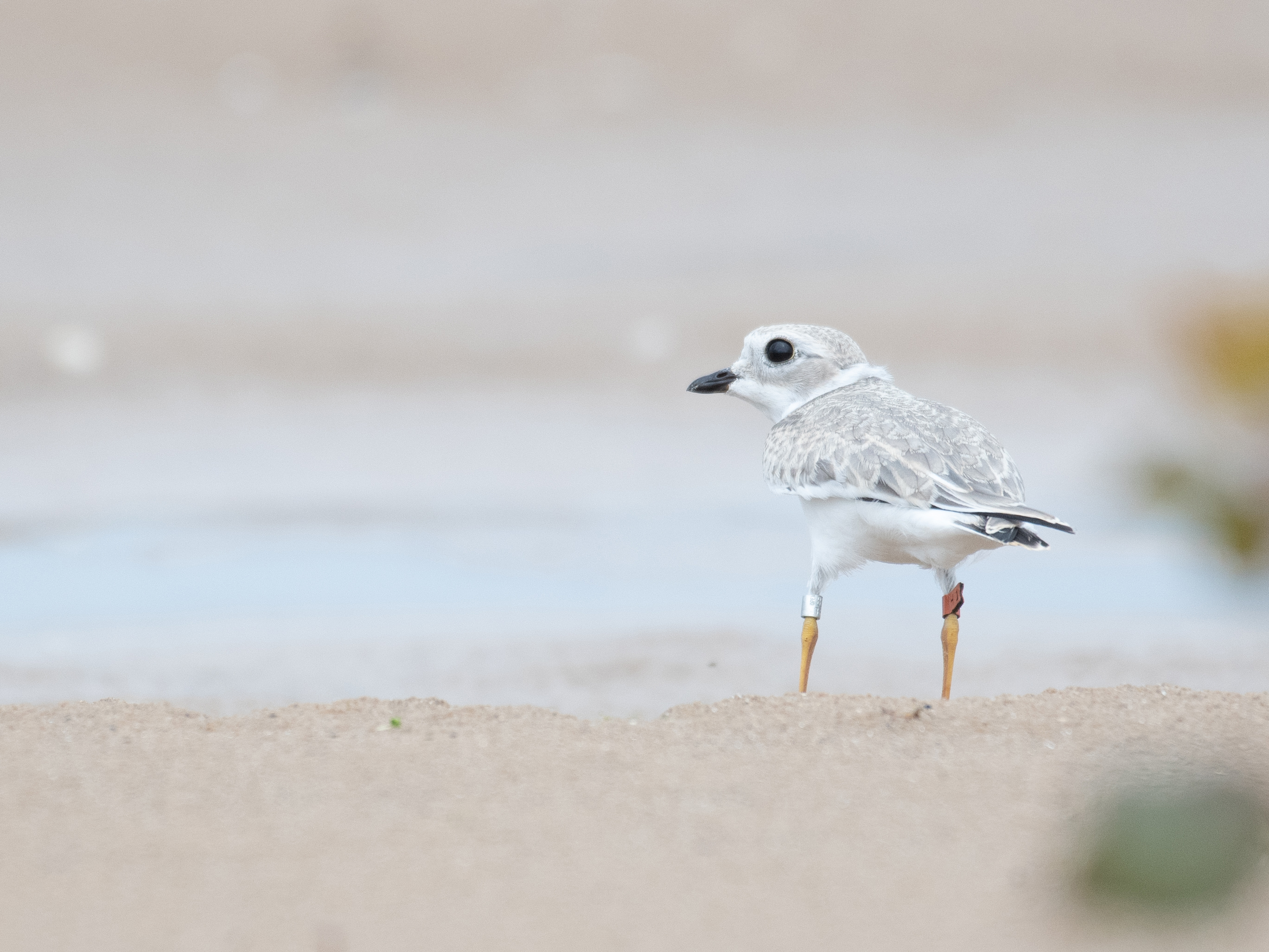
When Monty and Rose nested at Montrose in 2019, they were the first piping plovers to nest in Chicago in decades, and the city fell for them hard enough to fence off part of a busy beach. Their son Imani and his mate Searocket returned again in 2026, greeted like royalty by a volunteer corps that watches the nest all season.

Illinois’ largest colony of black-crowned night herons, a state-endangered wetland bird, chose the trees at Lincoln Park Zoo, of all places, and comes back every summer. Hundreds of hunched, red-eyed herons over the zoo paths, wild and uninvited, in the middle of the city.
Nearly lost to DDT, peregrines came back by treating skyscrapers as cliffs, and Chicago’s ledges now host the fastest animal on Earth. Watch the pigeons scatter over the Loop and you can sometimes spot the reason.
Monk parakeets, bright green natives of Argentina, escaped the pet trade decades ago and built their huge communal stick nests around Hyde Park and beyond. A tropical squawk in a January snowstorm is one of the South Side’s stranger pleasures.
The four-legged city runs on a night shift.
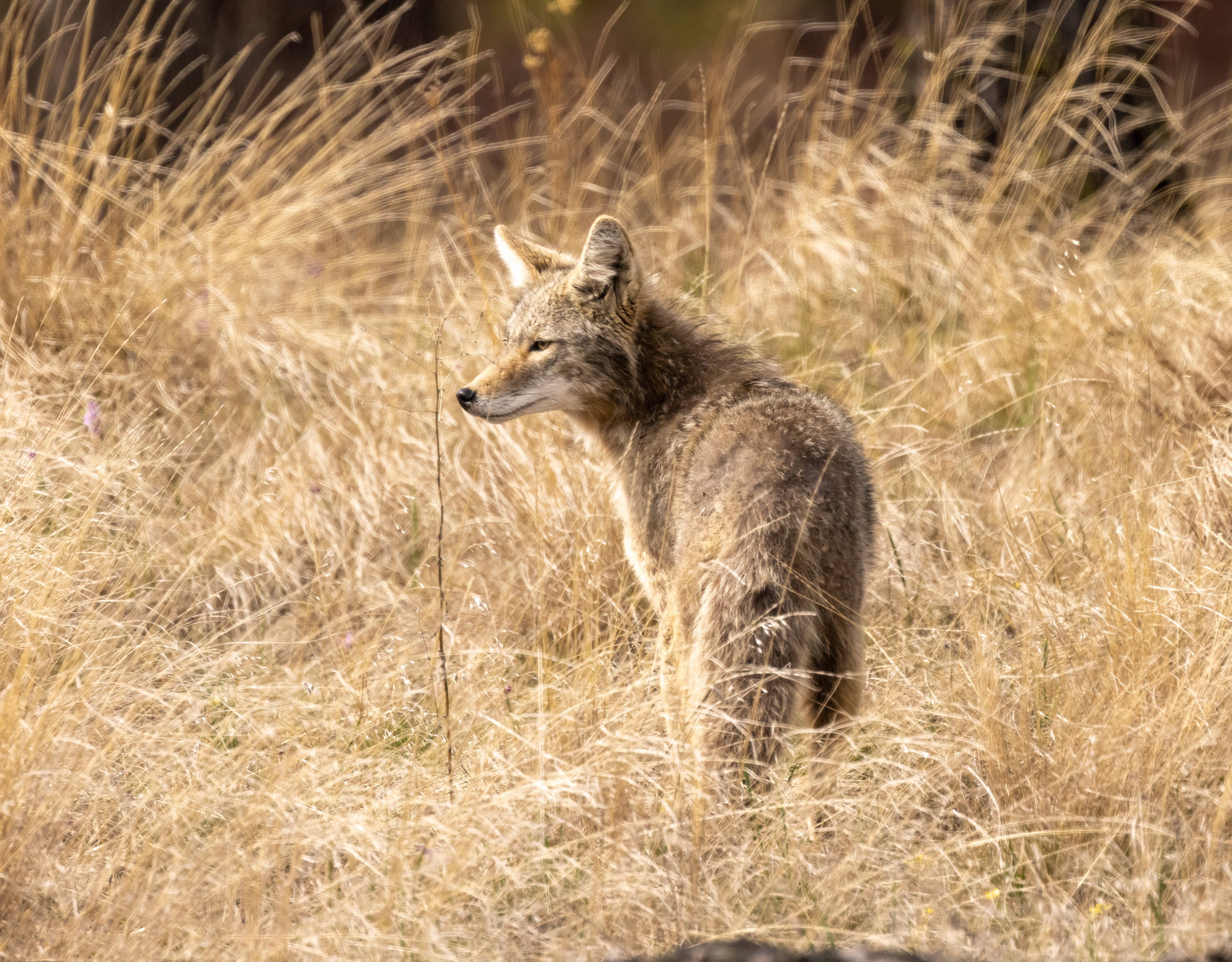
Cook County hosts the largest urban coyote study in the world, which has collared and tracked hundreds of animals since 2000, including packs living quietly in the densest parts of the city. They keep the rodent and goose numbers down and almost never bother anyone; the study’s advice is simply never to feed them.
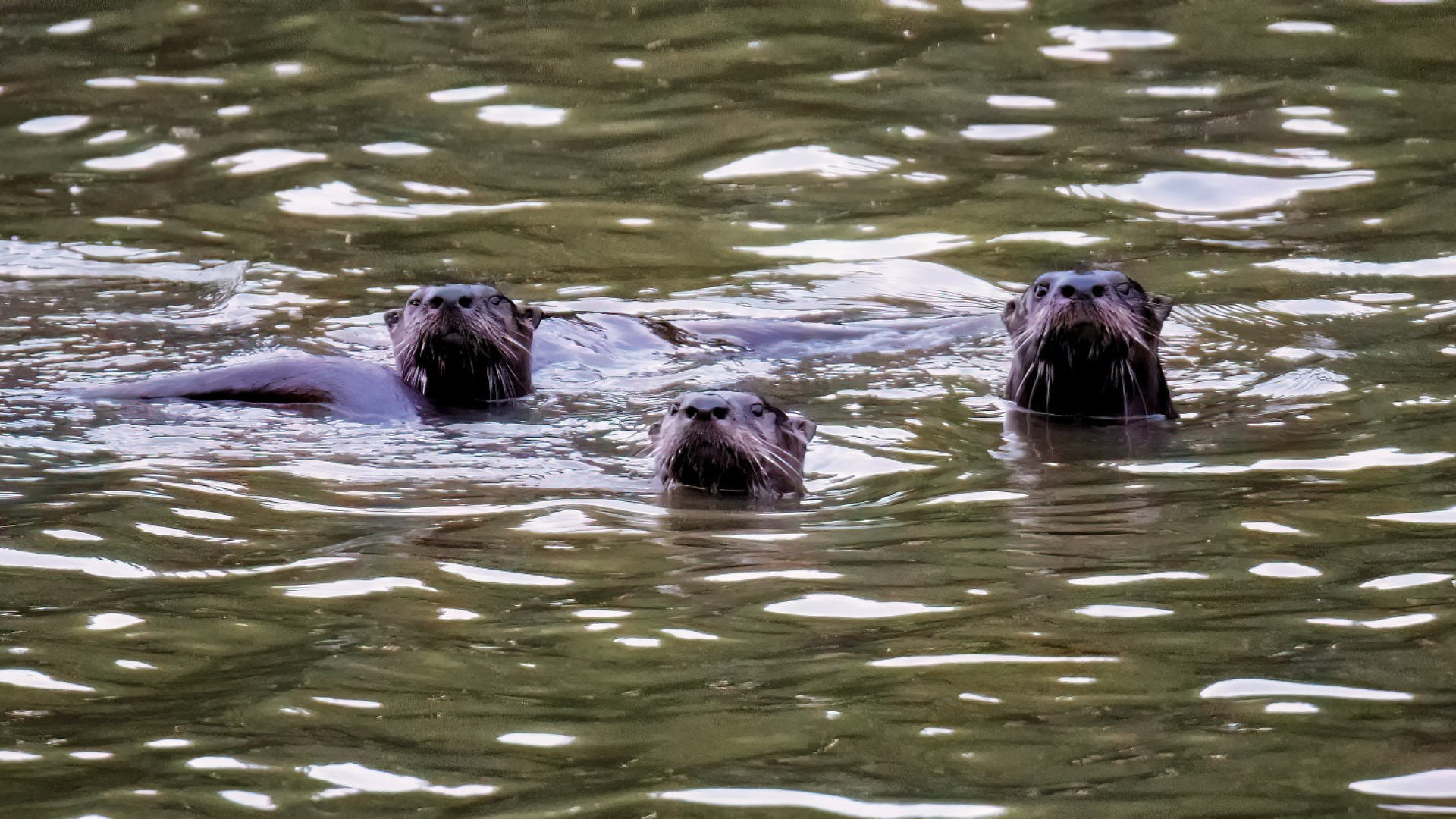
River otters were nearly extinct in Illinois within living memory; today they roam Chicago’s waterways again, with researchers tracking how they use the cleaned-up river. Beavers and mink work the same banks, which is the river’s way of grading its own recovery.
Opossums, North America’s only marsupial, eating ticks by the thousand. Striped skunks under the porch, red foxes in the cemeteries, deer at the forest preserve edges, and bats over the parks on summer nights. The city’s full wildlife roster reads like a field guide.
Mostly true, with an asterisk. Illinois is home to six lizard species, and the one that belongs to our corner of the state is the six-lined racerunner, a striped sprinter of the sand prairies and dune country along the lake’s southern rim, places like the Illinois Beach sands north of the city and the dunes just over the Indiana line. Inside city limits, a lizard sighting is usually an escaped pet doing its best. The city’s actual reptile roster is turtles and garter snakes in the lagoons and preserves, and its most famous reptile resident, the Humboldt Park alligator of 2019, was very much not a native, which is why he now lives at a Florida sanctuary and in a Field Museum exhibit.
Six yellow racing stripes and a top speed that earns the name; blink and it is gone into the dune grass. It wants hot, open sand, which is exactly what the lakeshore’s remnant prairies still offer.
Painted turtles line up on every lagoon log, snapping turtles patrol the bottoms, and garter snakes keep the gardens in order. Illinois’ wildlife agency keeps identification pages for all six lizard species if you want to check what you saw.
The Prairie State’s original landscape survives in remnants, and the city literally carries a plant’s name.
“Chicago” comes from shikaakwa, the word in the language of the Miami and Illinois peoples for the pungent wild onion, or wild leek, that grew thick along the wet prairie here. The city is named for a native plant, which feels right for a place this green.
Bur oaks with fire-thick bark anchored the savannas that covered this region before the plow, and scattered pre-settlement oaks still stand in parks and preserves, older than the city around them. Where you see one, you are looking at the original landscape.
Big bluestem taller than a person, purple coneflower, compass plant, and the milkweeds that monarch butterflies cannot live without. Restored patches now run through parks, medians and backyards, and every milkweed stem is a small act of monarch conservation.
Two federally endangered insects call this region home, and one insect event here made history.
In 2024, the 17-year Brood XIII, Chicago’s own, emerged in the same season as the 13-year Brood XIX downstate, the first time those two broods surfaced together since 1803. The northern brood returns in 2041; the roar in the oaks was the sound of a very patient animal.
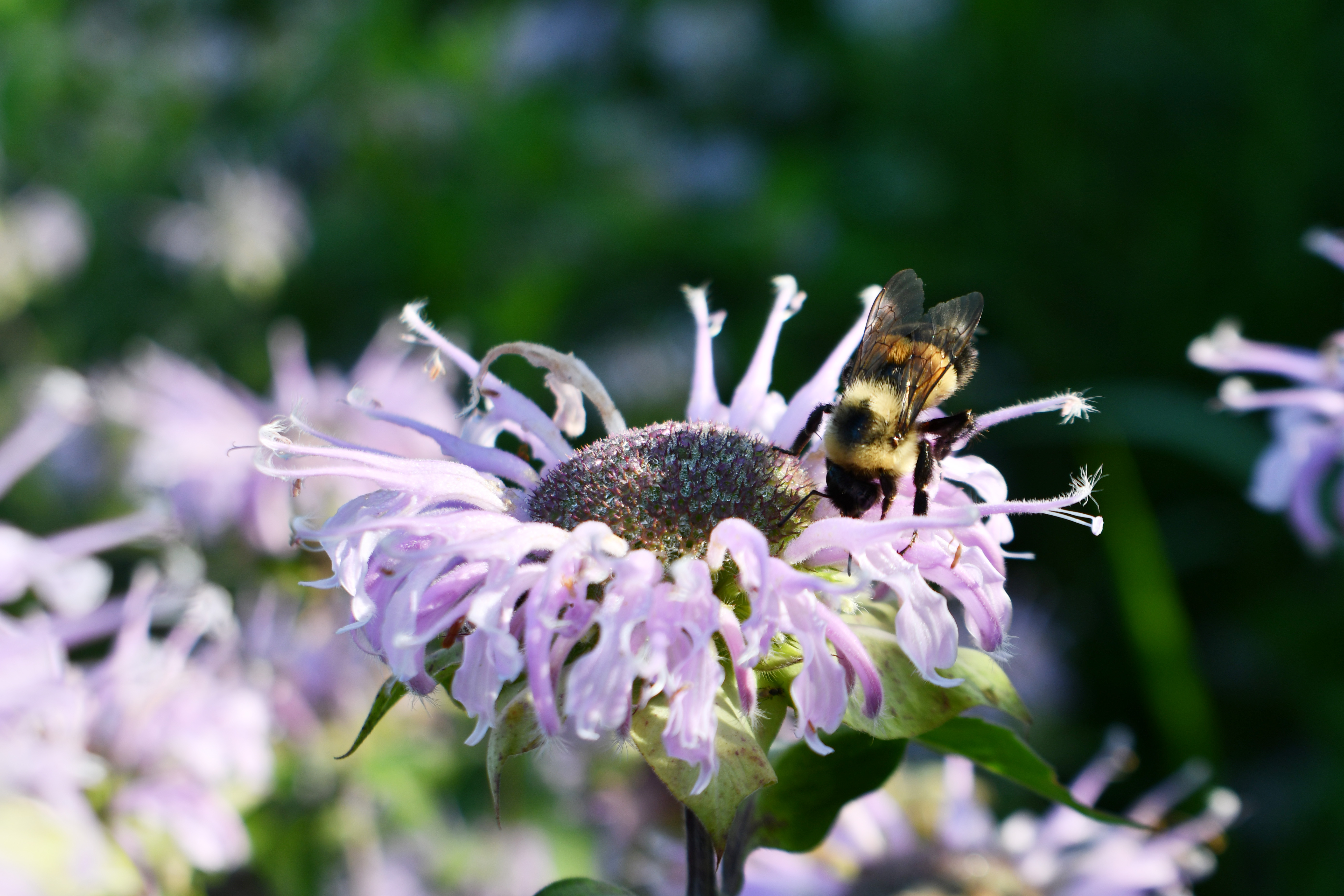
The first bee in the continental U.S. to be listed as endangered, and the Chicago region’s prairies and gardens are among its last strongholds. Federal habitat protections were finalized in 2026; planting natives is the household-scale way to help.
A green-eyed dragonfly so rare that the wetlands of the Des Plaines River valley, just southwest of the city, hold some of the only populations on Earth. Its survival depends on spring-fed marshes that look, to a developer, like nothing at all.
Some neighborhoods put you five minutes from a heron rookery or a beach with its own endangered bird; some suburbs back right up to the preserves. If nature nearby matters to you, say so, and Chris will factor it into the search.
Ask Chris about living near nature