Chicago has more great museums than most people can visit in a year of weekends. This is our field guide to them: what each one is really about, the thing you should not miss, and how to get in cheaply or free. Written for people who just moved here, useful for people who never left.
Most of the big museums are on Chicago Park District land and give Illinois residents free general admission on designated days each year, usually a couple of dozen dates spread through the calendar; you typically reserve online with a ZIP code and show an Illinois ID at the door. Several are free for children every day (the Art Institute under 14, the Chicago History Museum under 12, the MCA under 18). A few, like the National Museum of Mexican Art and the Smart Museum, are simply free. The dates move every year, so we link each museum's own page rather than list them here. Museum admission is not the same as special exhibitions or the giant-screen theaters, which usually cost extra even on a free day.
Museum Campus and downtown
The big five plus the smaller downtown museums most visitors miss.
Founded 1879, building 1893·Loop, 111 S. Michigan Ave.
The Art Institute of Chicago
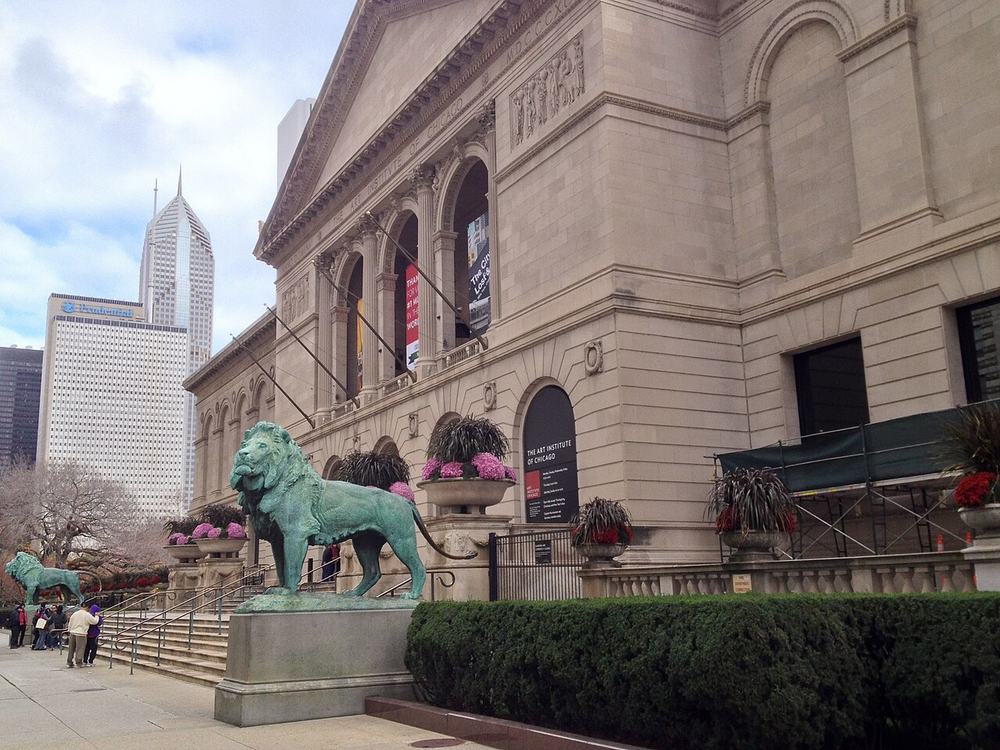
Start with the lions. Edward Kemeys cast them in 1893 and they have stood at the top of the steps since 1894. Behind them: Seurat's A Sunday on La Grande Jatte, Hopper's Nighthawks, Grant Wood's American Gothic, Caillebotte's rainy Paris street, and close to 300,000 other works. The Michigan Avenue building was put up for the 1893 World's Fair as its lecture hall (the World's Parliament of Religions met here) and the museum moved in that December. Renzo Piano's Modern Wing (2009) connects straight to Millennium Park by a footbridge. Kids under 14 are always free.
Go: Closed Tuesdays; free admission windows for Illinois residents on designated dates, listed on the site.
Founded 1893, building 1921·Museum Campus, 1400 S. DuSable Lake Shore Dr.
Field Museum
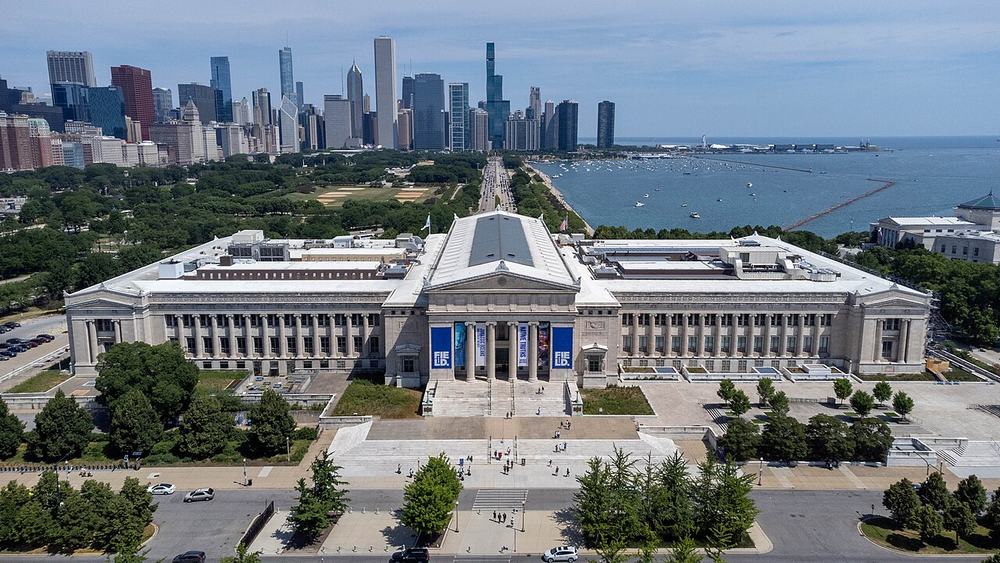
Born out of the 1893 fair and named for Marshall Field, whose million-dollar gift made it permanent, the Field holds close to 40 million specimens and artifacts. SUE, the largest and most complete T. rex ever found, has her own gallery upstairs; Maximo, a 122-foot cast of a titanosaur, fills the main hall. Then there is Inside Ancient Egypt, the Grainger Hall of Gems and four and a half billion years of Evolving Planet. Give it a full day and you will still not finish. The white marble building on the lakefront opened in 1921 after the collection outgrew its first home, the fair's Palace of Fine Arts in Jackson Park.
Go: Illinois residents get free general admission on Illinois Free Wednesdays in the fall and winter; proof of residency required.
Opened 1930·Museum Campus, 1200 S. DuSable Lake Shore Dr.
Shedd Aquarium
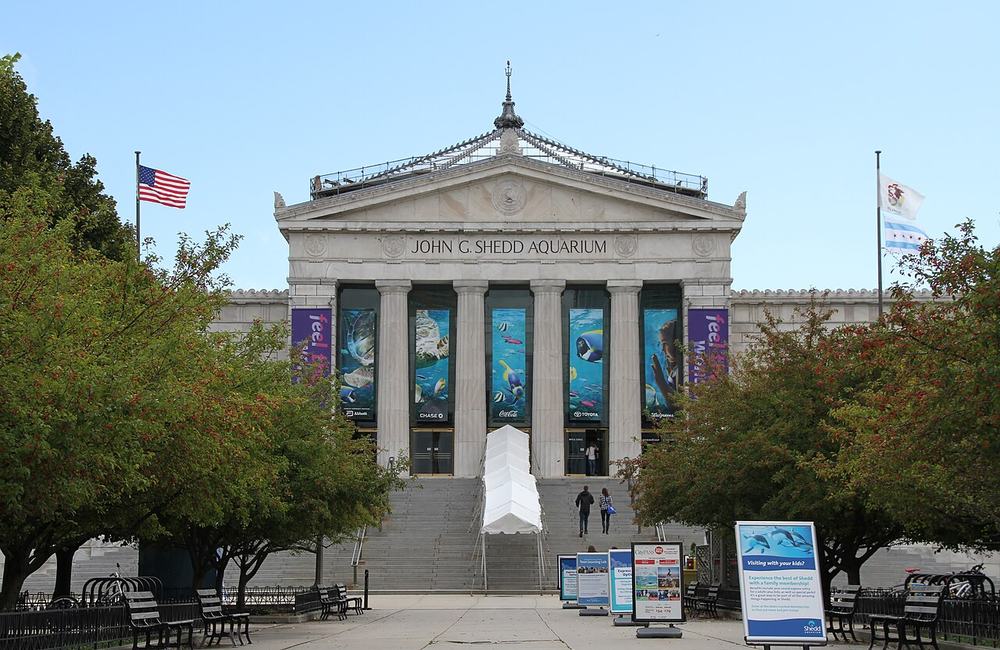
Marshall Field's president John Shedd paid for it and died before it opened in 1930 as the first inland aquarium with permanent saltwater, railed in from Florida. The Oceanarium (1991) holds the belugas, dolphins, sea otters and penguins with Lake Michigan as the backdrop, and Wild Reef, 25 feet below street level, is where the sharks are. The historic rotunda's Caribbean Reef tank, a fixture since 1971, was replaced at the end of 2024 by Wonder of Water, two 28,000-gallon habitats, one fresh and one salt. A multi-year renovation is running toward the 2030 centennial, so some galleries close in phases; check before you go.
Go: Illinois resident free days and evenings on select dates; advance reservations strongly recommended.
Opened 1930·Museum Campus, 1300 S. DuSable Lake Shore Dr.
Adler Planetarium
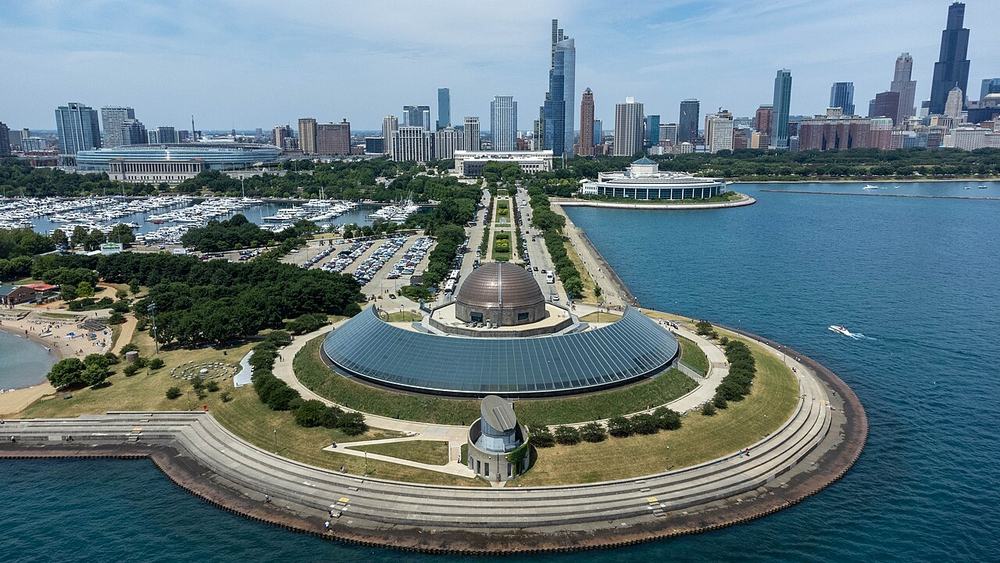
The first planetarium in the Western Hemisphere, opened in May 1930 with money and a Zeiss projector from Sears executive Max Adler. It holds the largest collection of historic scientific instruments on this side of the Atlantic, including a 14th-century astrolabe and one of the oldest telescopes anywhere, and the restored Gemini 12 capsule that Jim Lovell and Buzz Aldrin flew in 1966. Two sky theaters and a public observatory round it out. Even if you never go in, walk out to the terrace: it is the single best skyline view in the city and the one on every postcard.
Go: Free for Illinois residents on select days each year (proof of residency); Chicago residents get a discount.
Founded 1967, building 1996·Streeterville, 220 E. Chicago Ave.
Museum of Contemporary Art Chicago
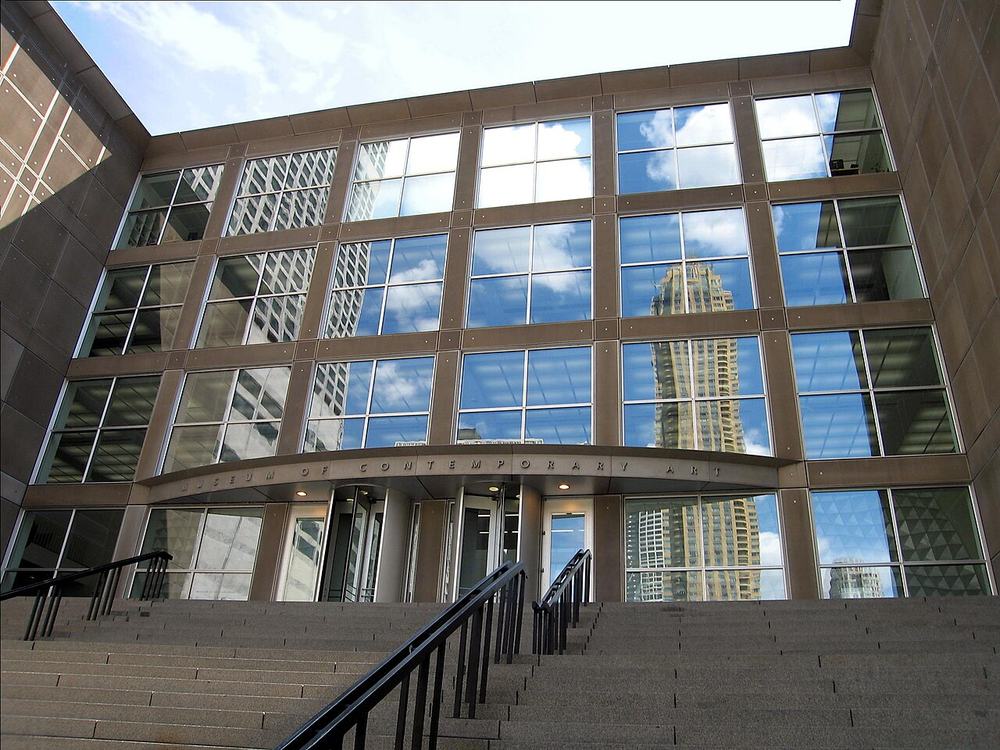
Founded in 1967 by collectors and artists who decided the city deserved a contemporary museum, the MCA opened with Dan Flavin and two years later became the first building in America wrapped by Christo. It gave Frida Kahlo an early American solo show in 1978 and Jeff Koons his first museum show in 1988. Since 1996 it has lived a block east of the Water Tower in Josef Paul Kleihues's limestone and cast-aluminum building, with the big front stairs, a sculpture garden out back, a theater and a very good restaurant. Anyone 18 and under gets in free.
Go: Closed Mondays; free for Illinois residents on Tuesday evenings and free for anyone 18 and under.
Foundation 1966, center 2018·Riverwalk, 111 E. Wacker Dr.
Chicago Architecture Center
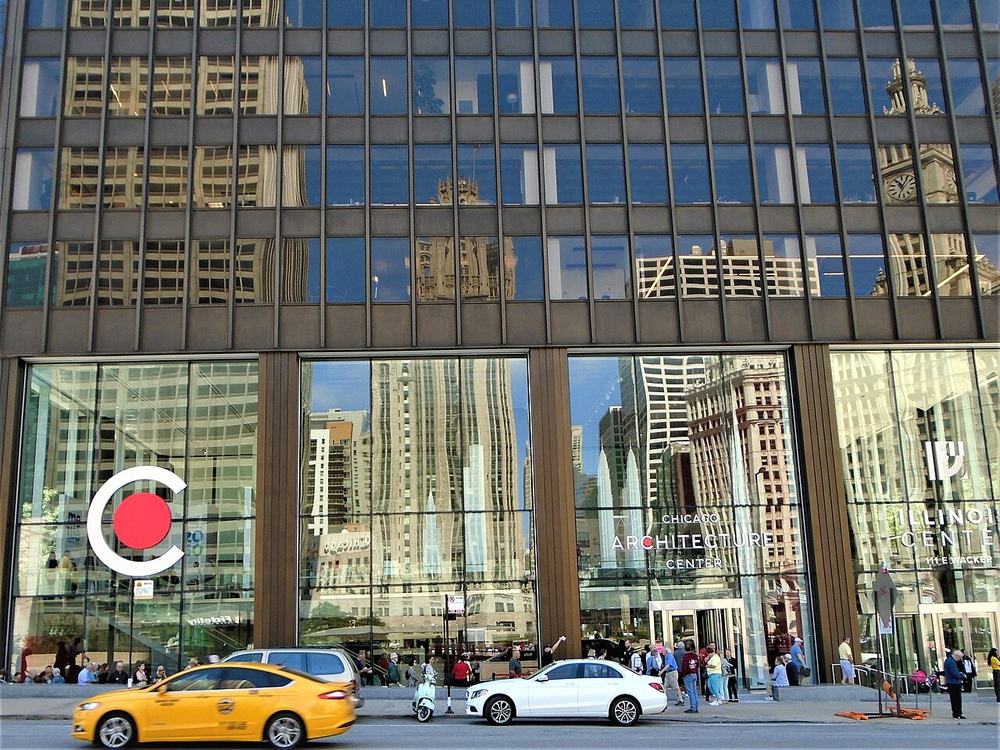
If you read our skyline page and want more, this is where to go next. The centerpiece is a scale model of the city with more than 4,000 buildings and a light show on how Chicago rebuilt after 1871; upstairs, 40-foot windows over the river frame a gallery of giant tower models. The CAC's river cruise aboard Chicago's First Lady is routinely voted the best tour in town and its docent-led walking tours are the best way we know to learn the Loop. Every fall it also runs Open House Chicago, a free weekend when hundreds of buildings that are normally locked open their doors.
Go: Paid admission; river cruises and walking tours are separate tickets and sell out on nice weekends.
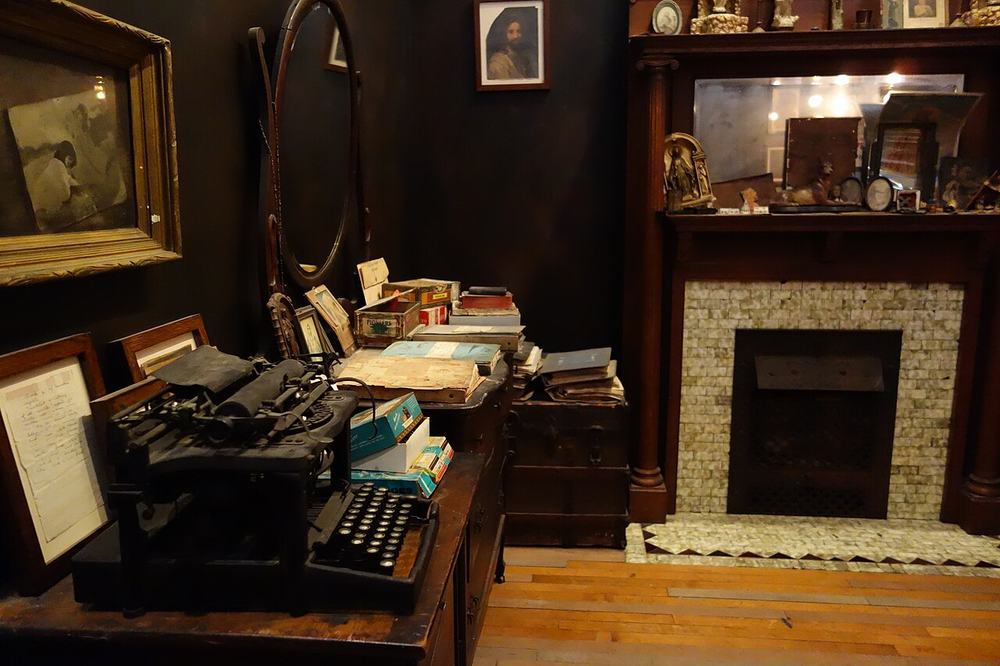
Easy to miss because it lives on the second floor of an office building across from Millennium Park. Inside is the country's first museum devoted to American writers: a timeline of a hundred authors, a wall of a hundred books you can flip, a room of vintage typewriters you are allowed to use, a Chicago gallery for the locals and a children's literature gallery. It is small, interactive and a good rainy-day hour with kids who like words. Rotating shows in 2026 have marked 250 years of American writing on independence.
Go: Open Thursday through Monday; a free museum day most months, listed on the site.
Mansion 1883, museum 2008·River North, 50 E. Erie St.
Driehaus Museum
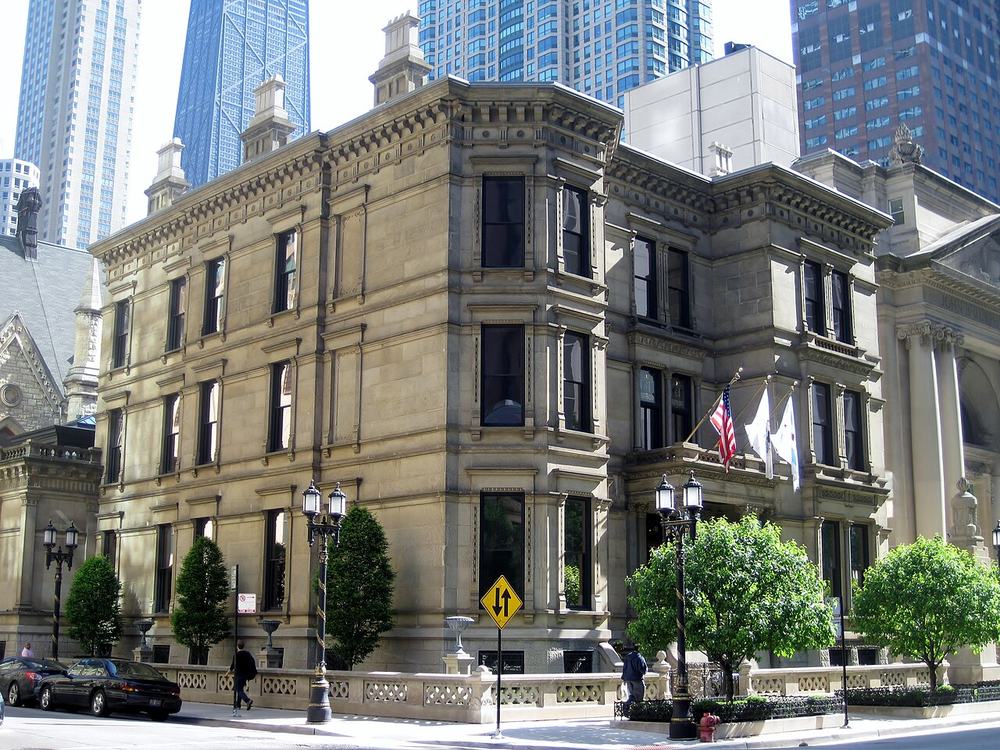
The Marble Palace. Banker Samuel Nickerson spent a fortune in 1883 on a house of marble, onyx and carved wood, and it survived a century as the American College of Surgeons' headquarters. Richard Driehaus bought it in 2003, spent five years restoring it and opened it as a museum of Gilded Age art, architecture and design. In 2024 the campus grew to include the 1926 Murphy Auditorium next door. It is the best place in the city to see how the people who built the buildings on our skyline page lived, and it is a short walk from Michigan Avenue.
Go: Closed Mondays and Tuesdays; pay what you wish on Wednesday evenings; kids 12 and under free.
Opened 1933, building 1893·Hyde Park, 5700 S. DuSable Lake Shore Dr.
Griffin Museum of Science and Industry
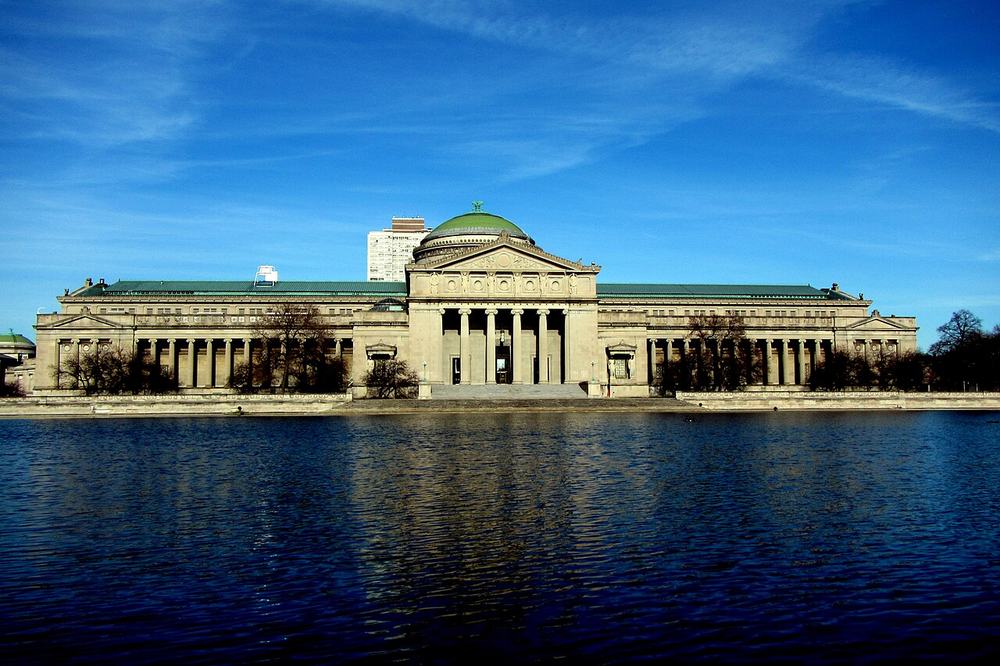
Renamed for Ken Griffin in 2024 after a $125 million gift, but every Chicagoan will keep calling it MSI. It occupies the only major building left from the 1893 World's Fair, the Palace of Fine Arts, rebuilt in limestone in the 1930s with Sears money. It opened in 1933 as North America's first hands-on museum and is still the largest science museum in the hemisphere: the U-505, the only German submarine in the country, captured in 1944; the Coal Mine, the oldest exhibit, running since opening day; the Pioneer Zephyr; a Boeing 727; a five-story dome theater. If you have one museum day with kids, this is the one.
Go: Illinois residents get free general admission on select dates through the year; ZIP-code reservation and proof of residency required.
Opened June 19, 2026·Jackson Park, 6001 S. Stony Island Ave.
Obama Presidential Center
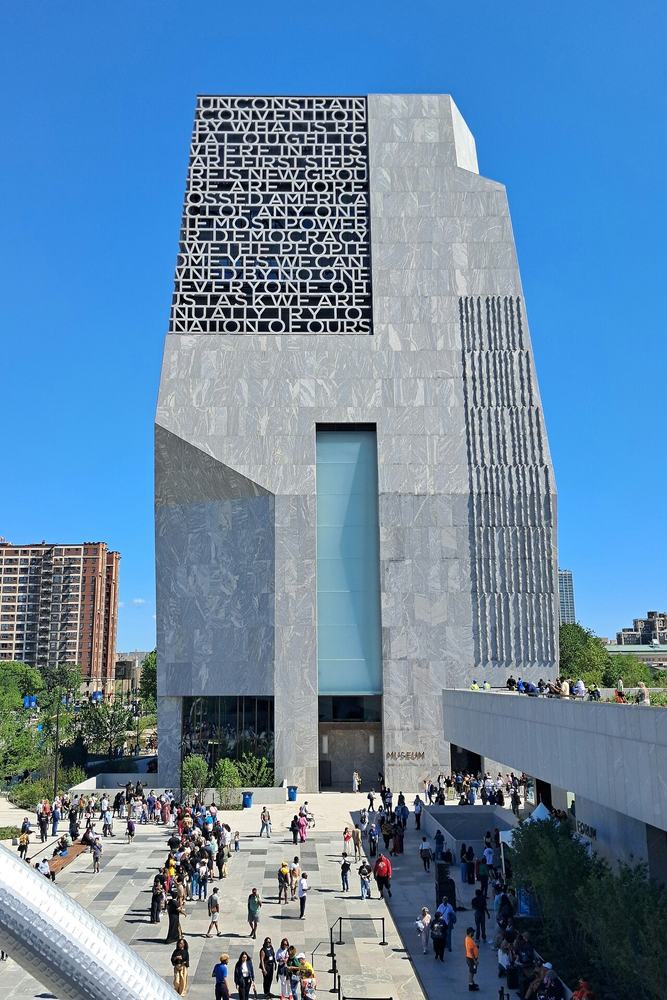
The newest museum in Chicago and the newest reason to visit Jackson Park. The 19-acre campus opened to the public on Juneteenth 2026: a 225-foot museum tower by Tod Williams and Billie Tsien with words from the 2015 Selma speech cut through its stone so light comes through the letters, a public library branch, an athletic center with a regulation basketball court, gardens, a wetland walk and more than twenty commissioned artworks. Most of the campus is free and needs no ticket. The museum, four floors on the presidency including a full-scale Oval Office you can sit in, is timed-entry and was booked solid for months after opening.
Go: Campus free daily; museum ticketed with Illinois free days on Tuesdays (advance tickets); the CTA 10 bus now runs express here from downtown.
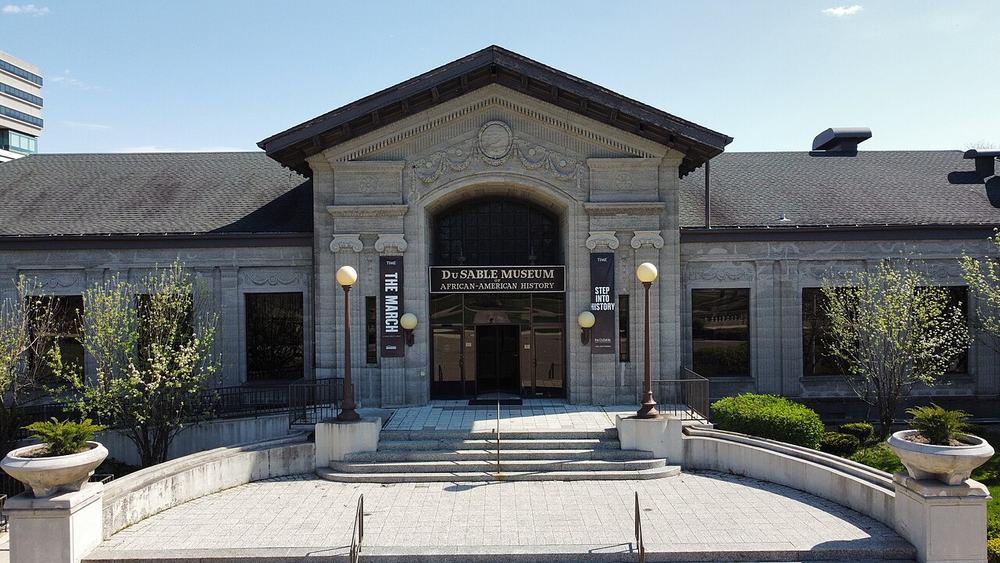
The nation's oldest independent Black history museum, started in 1961 by Margaret and Charles Burroughs on the ground floor of their own home and named for Jean Baptiste Point DuSable, the Haitian-born trader who founded Chicago. It moved into a Burnham-designed park building in 1973, added a wing named for Harold Washington in 1993, became a Smithsonian affiliate in 2016 and took its current name in 2022 to say out loud what it does. More than 15,000 pieces, from Ida B. Wells's desk to Paul Laurence Dunbar's violin, in a museum that is a short walk from the University of Chicago and a short drive from the Obama Center.
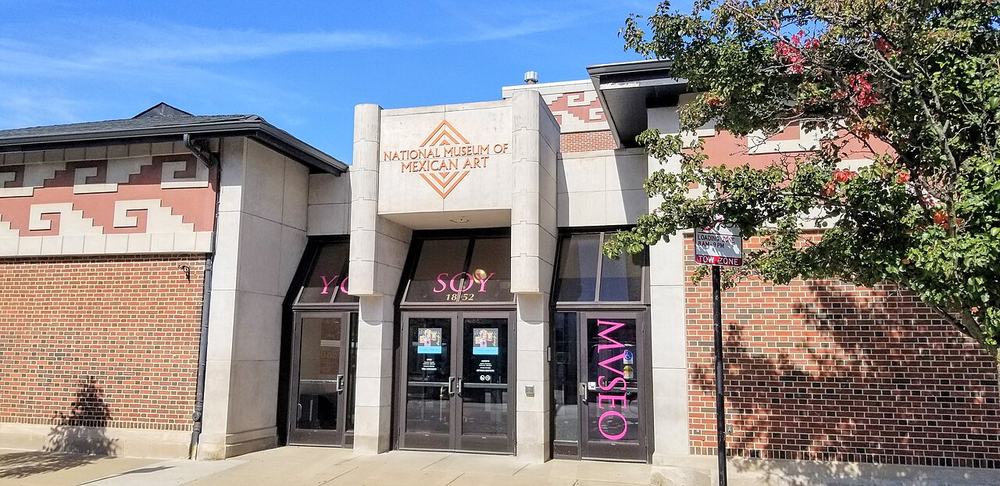
Founded by a group of Mexican American teachers in 1982 and open in Pilsen's Harrison Park since 1987, this is the only Latino museum accredited by the American Alliance of Museums and one of the largest Latino cultural institutions in the country. The permanent show traces Mexican identity from ancient to contemporary; every fall the Day of the Dead exhibition is the biggest in the nation and worth planning a trip around. Admission is always free, which makes it the easiest yes on this whole page, and it sits in the middle of the best mural walk in the city.
Go: Always free; closed Mondays; open late the first Wednesday of the month.
Founded 1856, building 1932·Lincoln Park, 1601 N. Clark St.
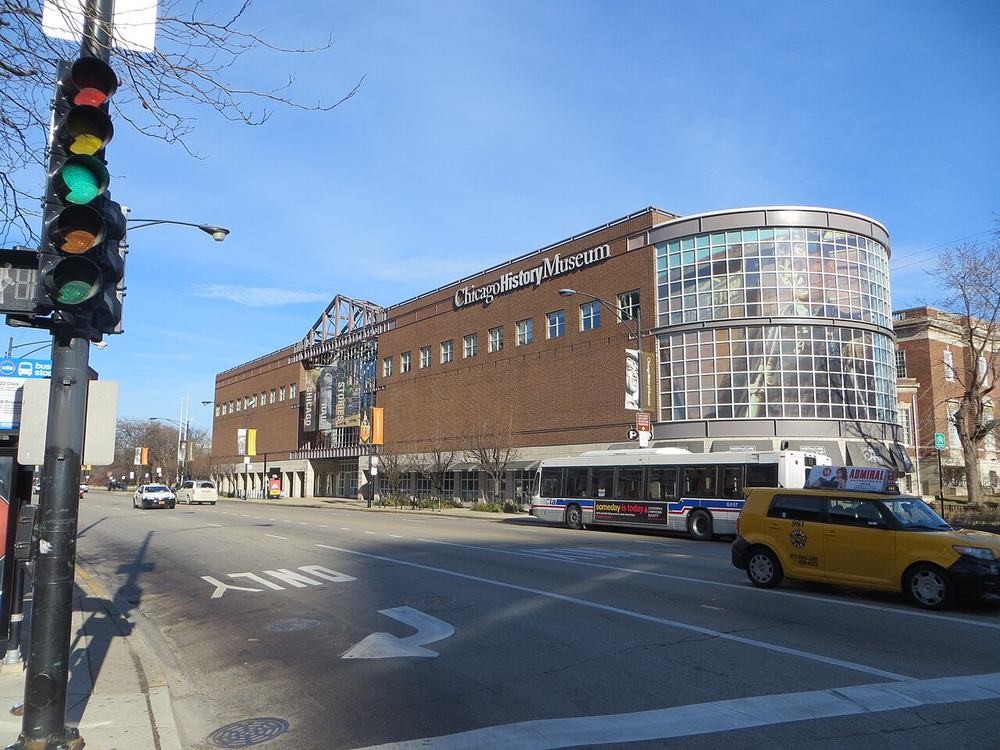
Chicago History Museum
Chicago's oldest cultural institution, and it has burned down twice, once in the Great Fire it now documents. Its 22 million objects include the bed Abraham Lincoln died in, artifacts from the 1871 fire and a costume collection of 50,000 pieces. For newcomers the main event is Crossroads of America, a 16,000-square-foot walk through the city's story anchored by the Pioneer, the first locomotive to run in Chicago (it arrived by ship in 1848), and the 1892 L car number one, which you can climb aboard. There is a hands-on gallery for kids and a research center for the curious.
Go: Kids 12 and under always free; Illinois residents free on designated dates through the year.
Academy founded 1857, museum 1999·Lincoln Park, 2430 N. Cannon Dr.
Peggy Notebaert Nature Museum
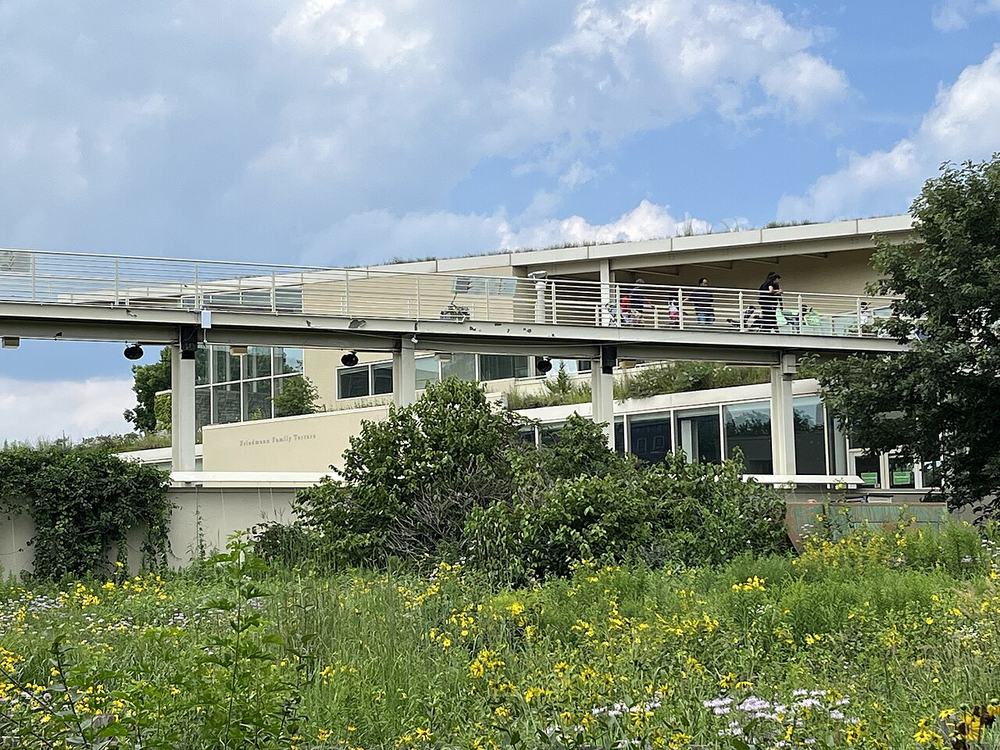
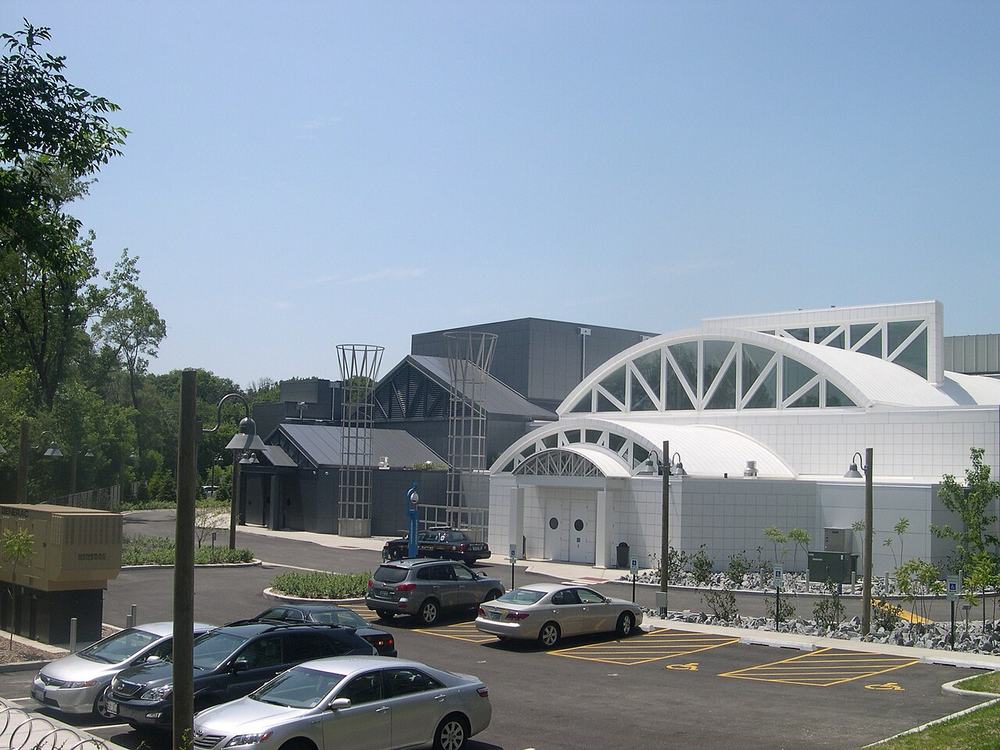
The Chicago Academy of Sciences dates to 1857 and became the city's first public museum in 1869; its current home is a low green building tucked beside North Pond in Lincoln Park. The draw is the Butterfly Haven, a 2,700-square-foot greenhouse with about a thousand butterflies of forty-odd species and a daily release at 2 p.m. Around it are a marsh, a wilderness walk and hands-on labs about the region's water and wildlife. It is the right size for small children and it pairs perfectly with the free zoo and the Lily Pool next door.
Go: Open daily; Illinois Resident Days with free basic admission on select dates; infants under one always free.
Founded 1991, reopened 2025·West Town, 756 N. Milwaukee Ave.
Intuit Art Museum
A museum of self-taught and outsider art, founded in 1991 and reopened in May 2025 under a new name after a renovation that tripled its space inside two 1870s brick factory buildings on Milwaukee Avenue. The heart of it is the Henry Darger Room, a recreation of the reclusive Chicago janitor's Lincoln Park apartment where he spent decades painting a 15,000-page fantasy epic nobody saw until after he died. The collection runs to about 1,600 works and the shows change often. Small, strange and one of the most memorable hours in the city.
Go: Open Wednesday through Sunday, late on third Thursdays; occasional free community days.
Smart 1974; ISAC museum 1931·Hyde Park, 5550 S. Greenwood Ave. and 1155 E. 58th St.
The University of Chicago museums: Smart Museum and ISAC
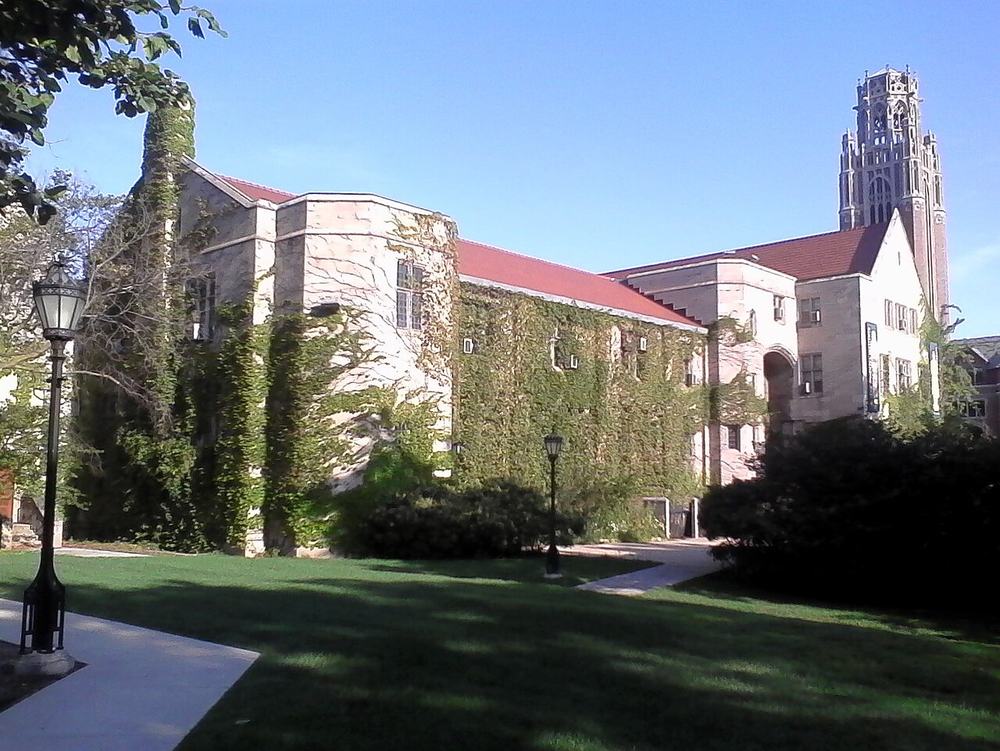
Two campus museums a few blocks apart, both nearly free. The Smart Museum of Art, always free, holds Frank Lloyd Wright's original dining furniture from the Robie House along with Rodin, Degas, Rothko and Warhol in a quiet building around a sculpture court. The ISAC Museum, formerly the Oriental Institute (renamed in 2023), is the university's museum of the ancient Middle East, mostly from its own digs: a 17-foot statue of King Tut, a 40-ton winged bull from an Assyrian palace, and galleries on Egypt, Nubia, Persia and Mesopotamia. Admission there is a suggested donation.
Go: Smart: free, closed Mondays. ISAC: pay what you wish, closed Mondays, open late Fridays.
Skokie's survivor community built this after neo-Nazis tried to march through the village in the late 1970s. The current building, by Stanley Tigerman, is split into a dark half you enter and a light half you leave through. It is the second-largest Holocaust museum in the country, with an authentic German rail car of the type used in deportations, Simon Wiesenthal's desk and holographic survivor testimony you can put questions to. Note: the Skokie building closed in July 2025 for an $8 million renovation with reopening planned for fall 2026, and its downtown satellite, Experience360 at 360 N. State St., has been open in the meantime. Check the site before you drive up.
Go: Confirm reopening status on the museum's site; the River North satellite runs daily.
Museum 1997; house 1952·Elmhurst, 150 S. Cottage Hill Ave.
Elmhurst Art Museum and the McCormick House
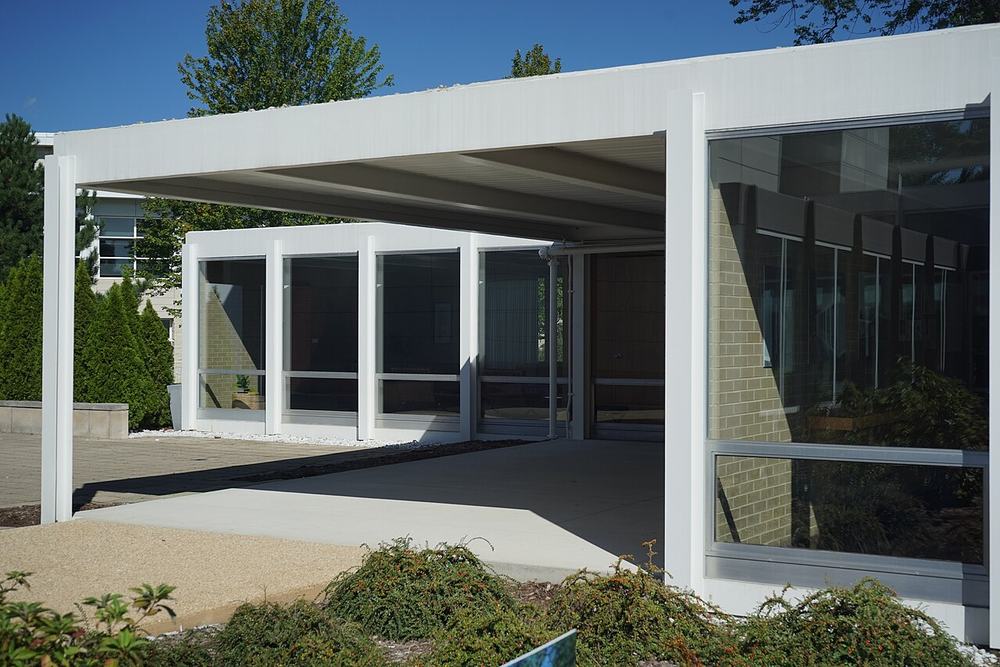
A small contemporary art museum in a park with a very big secret: it was built around a real Mies van der Rohe house. The 1952 McCormick House is one of only three residences Mies built in this country and one of only two you can walk into (the other is the Farnsworth House). It was meant as a prototype for prefab modern housing, moved here from across town in the early 1990s and restored in 2018 so its original facade, carport and front door face the world again. Bring the kids for the art and the architecture nerds for the house.
Go: Closed Mondays and Tuesdays; kids four and under free; sponsored free Fridays some summers.
Smaller and specialized museums across the region, each with its official site.
Chicago Children's MuseumNavy Pier · Play-based museum for the small ones, open daily; children under one free. Site →
Money Museum at the Federal Reserve Bank of ChicagoLoop, 230 S. LaSalle St. · Free walk-in museum on money and the Fed, weekdays only; yes, you can see what a million dollars looks like. Site →
National Veterans Art MuseumPortage Park, 4041 N. Milwaukee Ave. · Free museum of art made by veterans; its dog-tag memorial hangs in the Harold Washington Library downtown. Site →
Swedish American MuseumAndersonville, 5211 N. Clark St. · Immigrant history plus a children's museum of immigration upstairs; free the second Tuesday of the month. Site →
Polish Museum of AmericaWest Town, 984 N. Milwaukee Ave. · Founded 1935, one of the oldest and largest ethnic museums in the country, with art from the 1939 World's Fair Polish pavilion. Site →
National Hellenic MuseumGreektown, 333 S. Halsted St. · Greek American history and culture; free the first Sunday of the month. Site →
Chinese American Museum of ChicagoChinatown, 238 W. 23rd St. · Chinese American history in the Midwest; always free with a suggested donation. Site →
Ukrainian National MuseumUkrainian Village, 2249 W. Superior St. · Folk art, history and archives; children under 12 free. Site →
Chicago Sports MuseumWater Tower Place, level 7 · Memorabilia, skill challenges and simulators next to Harry Caray's. Site →
Frank Lloyd Wright Home & StudioOak Park, 951 Chicago Ave. · Where the Prairie style was invented; guided tours daily through the Wright Trust. More on our landmarks page. Site →
Ernest Hemingway Birthplace MuseumOak Park, 339 N. Oak Park Ave. · The 1890 Queen Anne where he was born in 1899; docent tours Thursday through Sunday. Site →
Wonder Works Children's MuseumOak Park, 6445 W. North Ave. · Small play museum for young kids, going since 1991. Site →
Kohl Children's MuseumGlenview, 2100 Patriot Blvd. · Hands-on museum for ages birth to eight at The Glen; open daily. Site →
DuPage Children's MuseumNaperville, 301 N. Washington St. · Interactive exhibit neighborhoods steps from downtown Naperville and its Riverwalk. Site →
Lizzadro Museum of Lapidary ArtOak Brook, 1220 Kensington Rd. · Jade carvings, gemstones and earth science; Wednesdays are free. Site →
First Division Museum at CantignyWheaton · The Big Red One's museum with a tank park on the lawn; the museum is free, the park charges parking. See Cantigny. Site →
Illinois Railway MuseumUnion · The largest railway museum in the country, with rides. See our landmarks page. Site →
Volo MuseumVolo, Lake County · Sixty acres of collector and movie cars, military vehicles and oddities, open almost every day of the year. Site →
Photos come from Wikimedia Commons under Creative Commons licenses or from the public domain; each one is credited to its photographer with a link to the original file and license. Hours, free days and access rules change often, so treat every "Go" line as a starting point and confirm on the official site before you head out.
New to Chicago, or thinking about it?
Knowing the city is most of our job. Tell us what your life needs and we will translate it into a neighborhood, a building and a block.